
Tarp untuk perlindungan trak




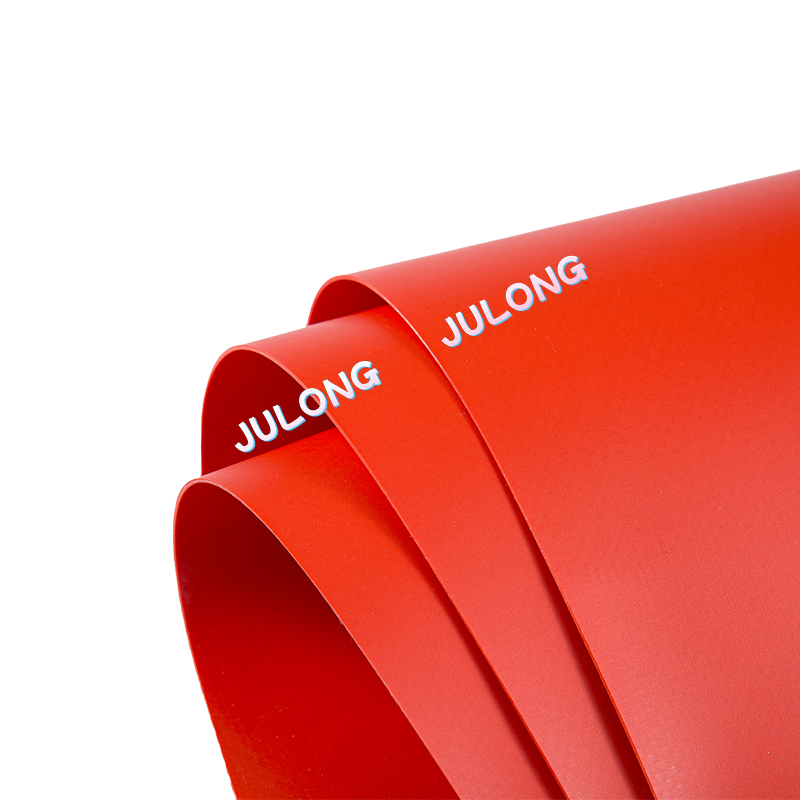
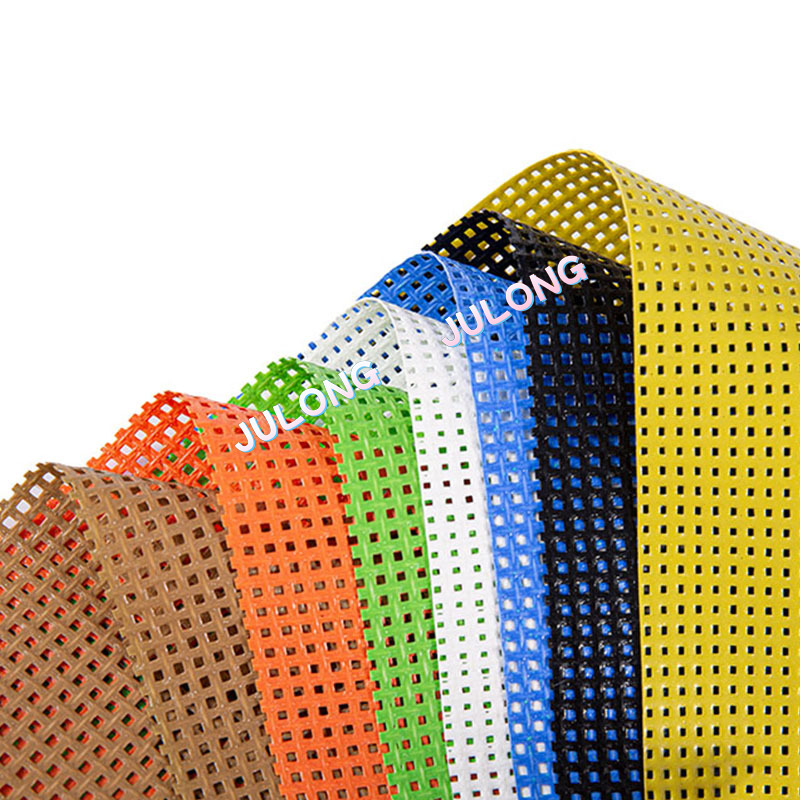
Kain mesh bersalut PVC ialah tekstil teknikal yang dihasilkan dengan menggunakan sebatian polivinil klorida pada fabrik asas tenunan atau rajutan, meninggalkan corak jaringan terbuka berstruktur yang membolehkan udara, cahaya dan air melaluinya sambil menambah sifat perlindungan dan struktur PVC. Substrat asas adalah paling biasa benang poliester - biasanya poliester berketahanan tinggi - ditenun ke dalam struktur grid sebelum salutan PVC digunakan melalui proses salutan pisau atas, kalendar atau salutan celup. Hasilnya ialah fabrik yang stabil dari segi dimensi, tahan cuaca dengan saiz apertur yang ditentukan, kekuatan tegangan terkawal dan permukaan yang tahan lelasan, degradasi UV dan serangan kimia.
Proses salutan bukan sekadar rawatan permukaan. Dalam fabrik mesh bersalut penuh, sebatian PVC menembusi dan membungkus setiap berkas benang, mengikat salutan secara mekanikal dan kimia kepada gentian. Enkapsulasi ini menghalang salutan daripada mengelupas dari pangkalan di bawah tekanan lentur atau pendedahan UV yang berpanjangan — mod kegagalan biasa dalam produk gred rendah di mana lekatan salutan tidak mencukupi. Berat kain siap biasanya berkisar dari 270 gsm hingga lebih 1,000 gsm , bergantung pada kiraan benang, apertur jejaring dan ketebalan salutan, dengan gred yang lebih berat menyasarkan aplikasi struktur atau galas beban dan gred yang lebih ringan yang digunakan dalam konteks teduh, privasi dan hiasan.
Memahami sifat prestasi khusus fabrik mesh bersalut PVC adalah penting sebelum memilih gred untuk sebarang projek. Interaksi antara apertur mesh, berat salutan dan spesifikasi benang menentukan prestasi fabrik dalam perkhidmatan merentas dimensi kritikal berikut.
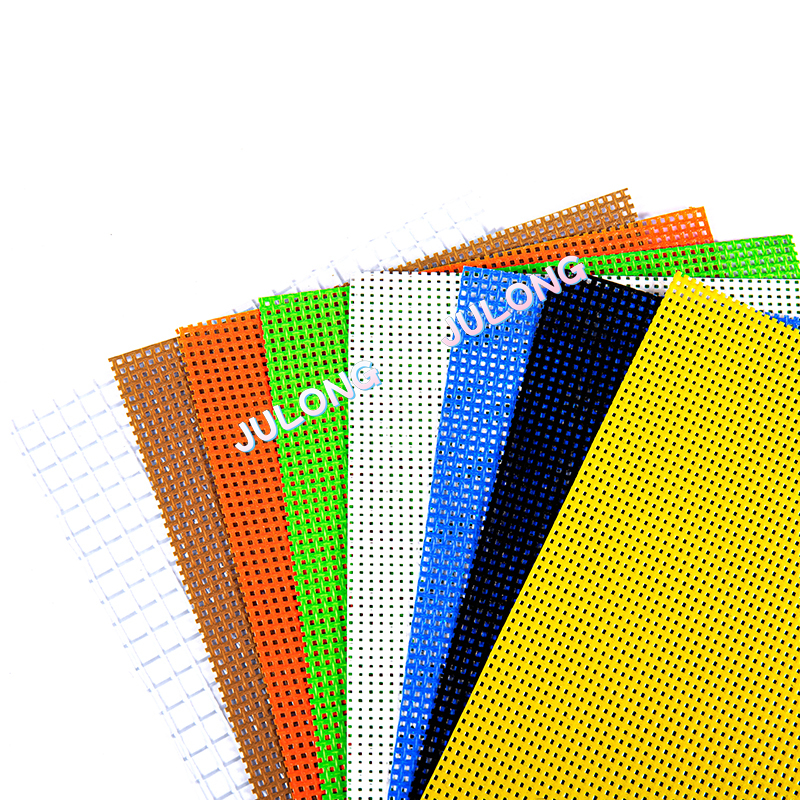
Kekuatan tegangan dalam fabrik mesh bersalut PVC terutamanya dihantar oleh benang asas poliester dan bukannya salutan itu sendiri. Nilai tegangan ledingan dan pakan diuji mengikut ISO 1421 atau ASTM D751, dengan gred seni bina dan perindustrian biasanya mencapai kekuatan tegangan ledingan 2,500 N/5 cm hingga lebih 6,000 N/5 cm . Kekuatan koyakan — daya yang diperlukan untuk menyebarkan potongan sedia ada melalui fabrik — adalah sama penting dalam aplikasi yang melibatkan sentuhan tepi tajam atau risiko tusukan, seperti jaring serpihan perancah atau sistem pembendungan kargo.
Formulasi PVC untuk fabrik mesh luar termasuk penstabil UV dan pigmen karbon hitam atau titanium dioksida yang menyerap atau memantulkan sinaran ultraviolet sebelum ia mencapai teras poliester. Tanpa penstabil ini, pendedahan UV yang berpanjangan merendahkan kedua-dua salutan PVC (menyebabkan kapur dan kekosongan) dan benang poliester asas (mengurangkan kekuatan tegangan sehingga 50% dalam tempoh dua hingga tiga musim). Kain mesh bersalut PVC luar yang berkualiti dinilai untuk 10 hingga 15 tahun hayat perkhidmatan luar di bawah pendedahan UV berterusan apabila dirumus dan diselenggara dengan betul.
Peratusan kawasan terbuka — nisbah ruang lompang kepada jumlah luas fabrik — ialah ciri penentu bagi fabrik mesh yang secara langsung mengawal penghantaran cahaya, pemindahan beban angin dan pengudaraan. Kain mesh bersalut PVC standard terdiri daripada 15% hingga 75% kawasan terbuka . Kain teduhan yang digunakan dalam pertanian atau penimbunan pembinaan biasanya menyasarkan 65–75% keterbukaan untuk pengudaraan, manakala skrin privasi dan fabrik penahan angin direka pada keterbukaan 15–30% untuk menyekat aliran udara dan garis penglihatan. Menentukan peratusan kawasan terbuka yang betul adalah penting dalam aplikasi yang pengiraan beban angin diperlukan oleh jurutera struktur.
Kain mesh bersalut PVC digunakan merentasi pelbagai industri yang sangat luas, tetapi setiap persekitaran aplikasi mengenakan set keperluan prestasi yang berbeza. Memilih fabrik tanpa memahami perbezaan gred membawa kepada kegagalan pramatang, ketidakpatuhan peraturan atau kos spesifikasi yang berlebihan yang tidak diperlukan.
| Permohonan | Berat Biasa (gsm) | Kawasan Terbuka % | Keperluan Utama |
|---|---|---|---|
| Pembinaan Jaring Perancah | 270 – 500 | 50 – 70% | Ketahanan api, tahan koyakan |
| Fasad Senibina | 500 – 900 | 20 – 45% | Kestabilan UV, ketepatan dimensi, estetika |
| Kain Teduh Pertanian | 200 – 400 | 30 – 75% | Kawalan cahaya, pengudaraan, rintangan kimia |
| Penutup Lori dan Kargo | 450 – 750 | 15 – 35% | Kekuatan tegangan tinggi, rintangan lelasan |
| Kemudahan Sukan (pagar, penahan angin) | 300 – 600 | 20 – 50% | Kelajuan warna, rintangan keletihan yang fleksibel |
| Skrin Privasi dan Pagar | 250 – 450 | 5 – 20% | Ketelusan visual yang rendah, pematuhan beban angin |
Dalam persekitaran pembinaan, fabrik mesh bersalut PVC mesti memenuhi keperluan keselamatan dan peraturan. Jaring pembendungan serpihan pada perancah mesti mencapai kalis kebakaran kepada EN 13501-1 atau piawaian kebangsaan yang setara, menghalang fabrik daripada menyumbang kepada penyebaran api pada fasad bangunan. Mesh juga mesti mengekalkan integriti strukturnya di bawah beban angin yang setara dengan yang digunakan dalam reka bentuk struktur sistem perancah itu sendiri. Mesh gred pembinaan biasanya dicetak atau diwarnakan untuk tujuan penjenamaan dan identiti tapak, memerlukan kestabilan pigmen yang tidak menjejaskan prestasi kebakaran atau mekanikal.
Arkitek semakin menentukan mesh bersalut PVC sebagai elemen fasad bangunan untuk teduhan suria, saringan estetik dan kesan pelapisan berlubang. Dalam konteks ini, kestabilan dimensi di bawah kitaran suhu dan konsistensi warna jangka panjang di bawah UV adalah yang terpenting. Jerat fasad direka bentuk untuk mengekalkan profil rata dan tegang apabila ditegangkan merentasi sistem pembingkaian aluminium — memerlukan pekali pengembangan haba yang rendah dan tepi selvage yang dikawal dengan tepat. Padanan warna tersuai melalui spesifikasi RAL atau Pantone adalah standard untuk projek berspesifikasi tinggi.
Prestasi kebakaran adalah pertimbangan wajib untuk fabrik mesh bersalut PVC yang digunakan dalam pembinaan, pengangkutan dan tempat awam. Polimer PVC asas sememangnya kalis api kerana kandungan klorinnya — gas klorin yang dibebaskan semasa pembakaran mengganggu tindak balas rantai nyalaan. Walau bagaimanapun, pemplastik yang ditambahkan untuk menjadikan PVC fleksibel adalah mudah terbakar, dan tanpa bahan tambahan kalis api tambahan, mesh PVC yang diplastiskan boleh mengekalkan pembakaran dan menghasilkan asap yang ketara.
Fabrik mesh PVC berkadar api menggabungkan sinergi antimoni trioksida bersama mekanisme klorin yang wujud, mencapai tahap klasifikasi seperti B1 (Jerman DIN 4102) , M1 atau M2 (Perancis NF P 92-503) , atau Kelas 1 (UK BS 5867) . Dalam sistem harmoni EU di bawah EN 13501-1, produk pembinaan dikelaskan daripada A1 (tidak mudah terbakar) hingga F, dengan kebanyakan mesh bersalut PVC kalis api mencapai Kelas B-s2, d0 hingga Kelas C-s3, d0 bergantung kepada rumusan. Pasukan pemerolehan hendaklah sentiasa meminta sijil ujian semasa daripada makmal bertauliah, kerana bahan tambahan kalis kebakaran boleh berkurangan dari semasa ke semasa dan sijil yang berumur lebih daripada tiga tahun mungkin tidak menggambarkan rumusan pengeluaran semasa.
Pasaran global untuk fabrik mesh bersalut PVC termasuk produk merentasi spektrum kualiti yang luas. Menilai pembekal berdasarkan kriteria teknikal — bukan hanya harga — melindungi prestasi projek dan mengurangkan kos kitaran hayat. Faktor-faktor berikut harus menjadi teras kepada mana-mana penilaian sumber.
Malah fabrik mesh bersalut PVC dengan spesifikasi tertinggi akan berprestasi rendah jika dipasang dengan cuai atau diabaikan semasa perkhidmatan. Mengikuti amalan pemasangan dan penyelenggaraan yang terbukti dapat mengekalkan sifat mekanikal dan estetik fabrik sepanjang jangka hayat sepenuhnya.
Fabrik mesh bersalut PVC memberikan nilai terbaiknya apabila keputusan spesifikasi, perolehan, pemasangan dan penyelenggaraan dianggap sebagai bahagian yang bersambung dalam satu sistem. Fabrik yang dinilai untuk perkhidmatan luar selama 12 tahun boleh mencapai jangka hayat itu hanya apabila gred yang betul dipilih pada permulaan, dipasang dengan ketegangan dan penetapan yang betul, dan diselenggara dengan rutin pemeriksaan tahunan yang mudah. Pemotongan pada mana-mana peringkat memampatkan hayat perkhidmatan yang berkesan dan akhirnya meningkatkan jumlah kos pemilikan.
Kerjasama menang-menang dengan baru dan lama pelanggan, buat masa depan.

No. 9, Xingang Avenue, Ningguo City, Wilayah Anhui, China.


+86 15397280550
Copyright © Anhui Longsheng New Material Technology Co., Ltd. Pengilang bahan membran seni bina Pembekal kain kalis air PVC luaran
